Research into how people experience artificial intelligence, how trust forms around AI products and how communities respond as automated systems enter everyday life.
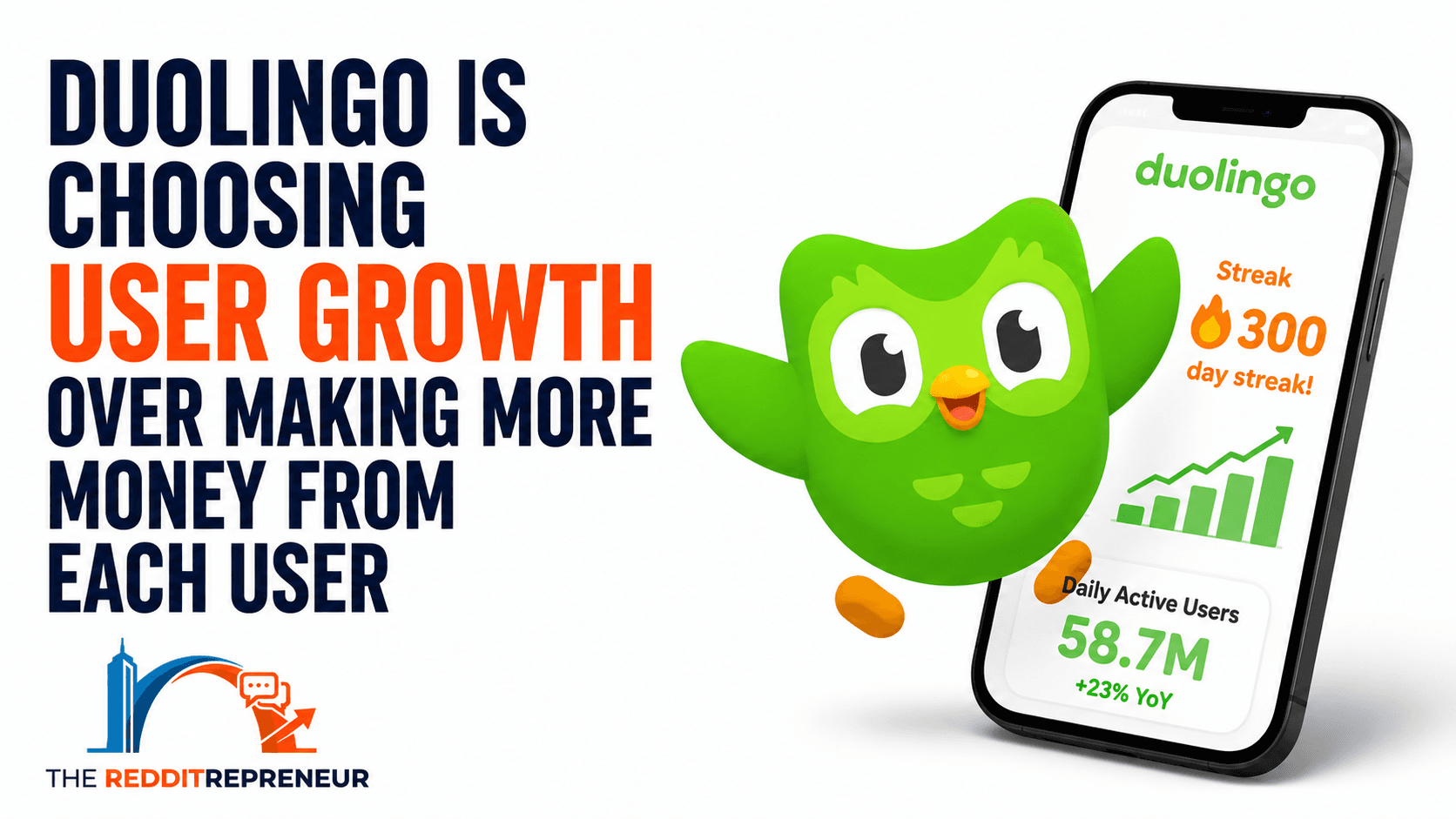
Duolingo is prioritising user growth over squeezing more money from each learner. Daily users are rising quickly, but community conversations reveal another challenge: streaks and AI can increase engagement, but the business still depends on people trusting the learning.
Apple's latest lawsuit against OpenAI is about more than trade secrets. It shows how public opinion often forms long before a court reaches a verdict. Here's why community perception can become just as important as the legal outcome itself.
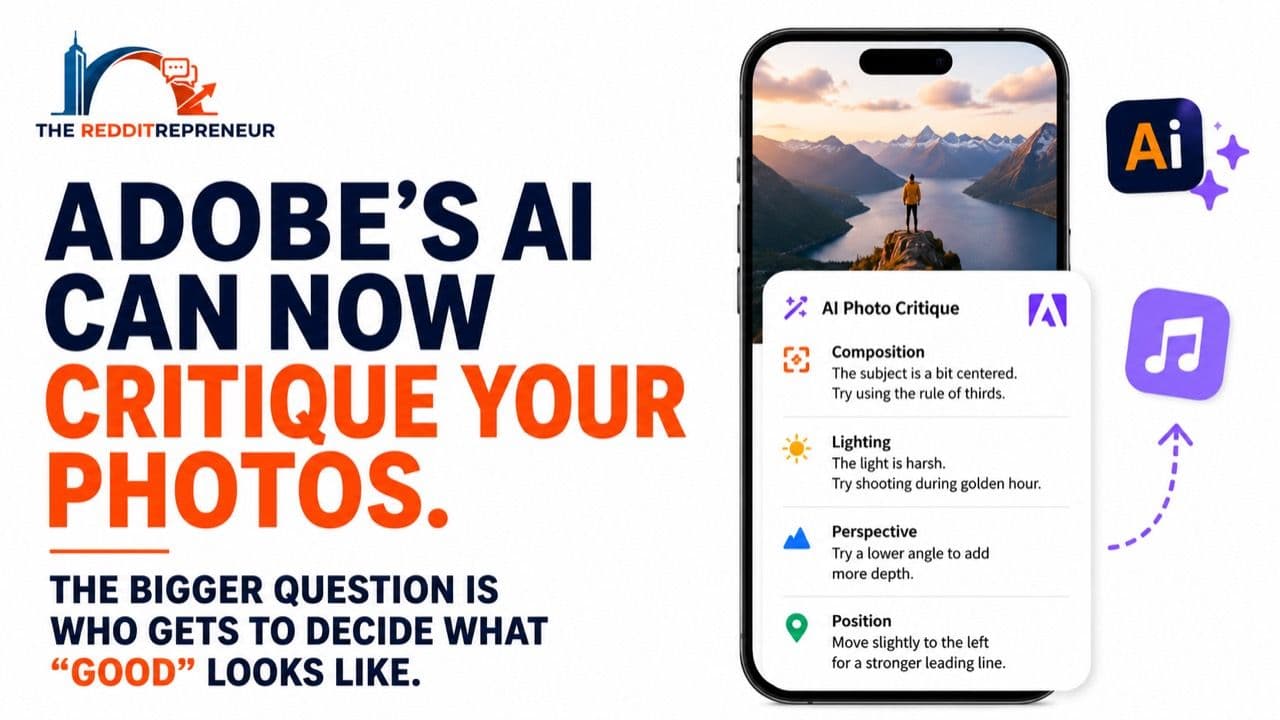
Adobe is testing AI feedback for photographs. It could help beginners learn, but it may also shape what millions of people believe a good photograph should look like.
Trip.com wants AI to help travellers plan trips, compare options and make bookings. This could make travel easier, but it also gives the platform more control over the choices people see.
When an autonomous AI system reaches outside a test, the company running it may not immediately understand the full effect. That is why affected organisations and expert communities matter.
Meta tried to limit a feature that already worked on its smart glasses unless users paid monthly. The backlash was not only about price. It was about ownership.
The Community Intelligence Platform is live, new frameworks are helping explain how online narratives form, and The Redditrepreneur is becoming a complete Community Intelligence company.
Research into how people experience artificial intelligence, how trust forms around AI products and how communities respond as automated systems enter everyday life.
We study the conversations, trusted voices and changing beliefs that ordinary business data cannot fully explain.